
 Image 1 of 1
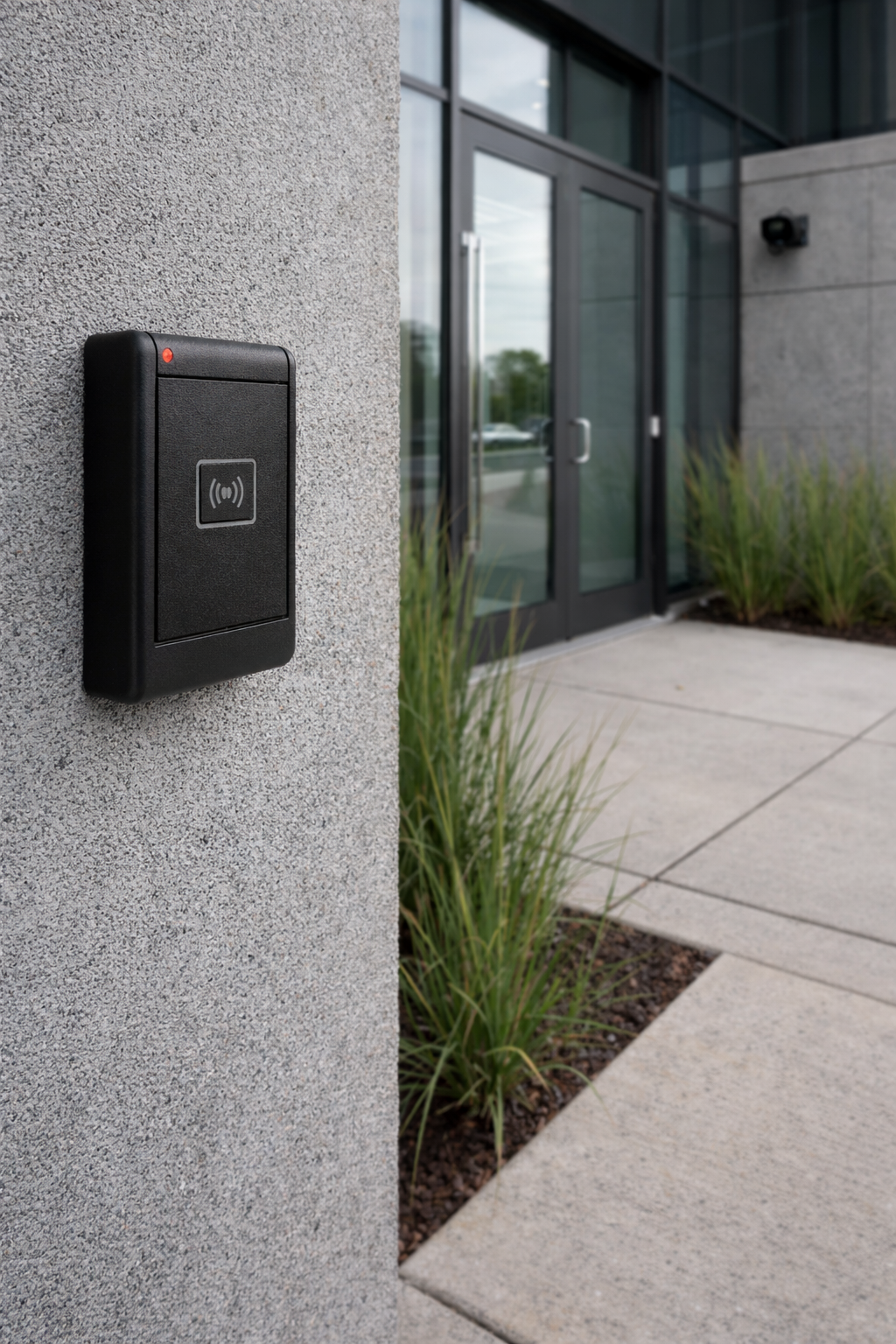
Access control systems streamline the flow of people through a facility by defining who can enter, when, and where, making it easy to manage staff, visitors, and contractors without disrupting operations. By replacing loose keys and unsecured entry points with electronic credentials, scheduled permissions, and real-time monitoring, access control reduces unauthorized entry, prevents tailgating, and creates an auditable record of movement that strengthens incident response and policy enforcement. For businesses, this means tighter protection of assets, sensitive areas, and intellectual property while simplifying visitor management and compliance. In schools and day care settings, access control delivers visible, measurable security—restricting access to classrooms and play areas, ensuring only authorized caregivers and staff are admitted, and giving parents and administrators greater confidence that children are protected within a controlled, monitored environment.
Access control systems streamline the flow of people through a facility by defining who can enter, when, and where, making it easy to manage staff, visitors, and contractors without disrupting operations. By replacing loose keys and unsecured entry points with electronic credentials, scheduled permissions, and real-time monitoring, access control reduces unauthorized entry, prevents tailgating, and creates an auditable record of movement that strengthens incident response and policy enforcement. For businesses, this means tighter protection of assets, sensitive areas, and intellectual property while simplifying visitor management and compliance. In schools and day care settings, access control delivers visible, measurable security—restricting access to classrooms and play areas, ensuring only authorized caregivers and staff are admitted, and giving parents and administrators greater confidence that children are protected within a controlled, monitored environment.